Introduction
Navigating the world of financial surety can be a daunting task, especially when bad credit enters the equation. Many individuals wonder, "Can you get a surety bond with bad credit?" The answer, while complex, is certainly not a definitive no. This article will delve into the nuances of surety bonds, focusing on what they are, how bad credit influences the bonding process, and actionable steps you can take to secure a bond even if your credit history isn’t stellar.
What is a Surety Bond?
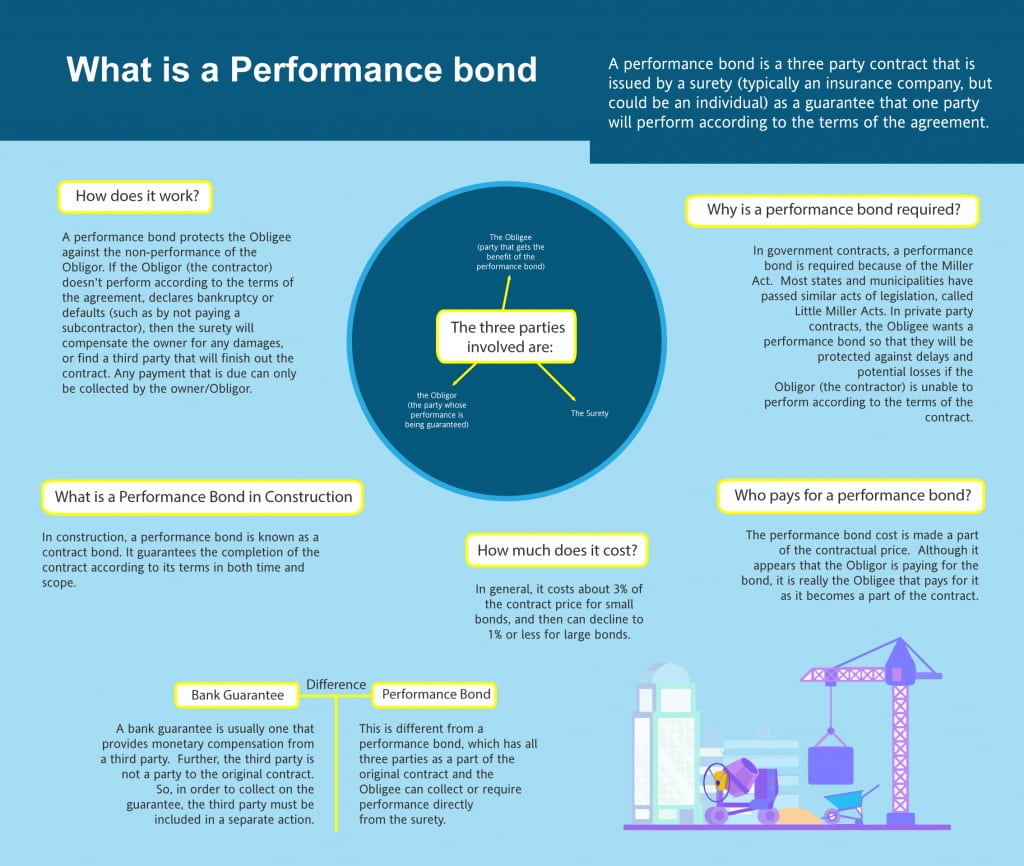
At its core, a surety bond is a legally binding contract between three parties: the principal (the party seeking the bond), the obligee (the party requiring the bond), and the surety (the entity that issues the bond). Surety bonds ensure that obligations will be fulfilled as agreed upon in contracts. In essence, it's a promise that the principal will perform their duties or pay for any damages incurred due to their failure to do so.
Types of Surety Bonds
Contract Bonds: Commonly used in construction projects. Commercial Bonds: These cover various business activities like licensing. Court Bonds: Often required in legal proceedings.Each type serves different purposes but fundamentally aims to protect one party from potential default by another.
Understanding Bad Credit and Its Impact
What Constitutes Bad Credit?
Bad credit typically refers to a low credit score—usually below 580—indicating unreliable payment patterns or significant debt levels. Factors affecting your credit score include:
- Payment history Amounts owed Length of credit history Types of credit used Recent inquiries
How Does Bad Credit Affect Surety Bonds?
When it comes to obtaining a surety bond, your credit score plays an essential role. A lower score may lead to higher premiums or even outright denials from some sureties. However, understanding how underwriters evaluate risk can open doors for those with less-than-perfect scores.
Can You Get a Surety Bond with Bad Credit? Here’s How!
Yes, you can obtain a surety bond even with bad credit! However, it requires strategic planning and an understanding of what options are available to you.
1. Improve Your Chances Through Documentation
Before applying for a surety bond, gather all relevant documentation that showcases your financial stability beyond just your credit score:
- Proof of income Business financial statements Tax returns
Having this information readily available can help mitigate concerns about your credit history during discussions with potential sureties.
2. Use Collateral or Co-Signers
Offering collateral can significantly enhance your chances of acquiring a bond despite having poor credit. A co-signer with good credit can also help strengthen your application.
3. Explore Specialized Bond Providers
Some companies specialize in providing bonds specifically for individuals with bad credit or unique situations. Researching these niche providers might yield favorable results compared to traditional avenues.
The Application Process Explained
Step-by-Step Guide to Applying for a Surety Bond
Determine Your Bond Type- Understand which type of bond you need based on your industry requirements.
- Look for companies known for working with applicants who have poor credit histories.
- Prepare all relevant documents that demonstrate financial stability and responsibility.
- Fill out all sections accurately and truthfully; fabrications could lead to denial.
- Send your application along with any required documentation to the selected surety company.
- If approved, carefully review terms and conditions before signing anything.
- Make payments as outlined in your agreement; timely payments are crucial moving forward.
Factors Influencing Approval Rates for Those With Bad Credit
Credit Score’s Role
While poor scores make approval more challenging, they aren’t insurmountable obstacles when addressing other factors that influence underwriting decisions:
Industry Experience: Demonstrated experience in your field can enhance credibility. Financial Stability: Consistent income sources reassure underwriters about future performance. Business Reputation: Existing relationships and reviews from past clients play an important role in securing bonds despite financial shortcomings.Table: Factors Influencing Surety Bond Approval
| Factor | Importance Level | |------------------------|------------------| | Credit Score | High | | Industry Experience | Medium | | Financial Stability | High | | Business Reputation | Medium |
Common Misconceptions About Surety Bonds and Bad Credit
Misconception 1: Bad Credit Means No Bond Options Available
This myth could not be further from the truth! While having poor credit limits options, many companies still offer bonds tailored for those in challenging financial situations.
Misconception 2: All Sureties Deny Applications from Those With Low Scores
Not every surety provider has stringent requirements; some focus more on overall business viability rather than solely relying on numerical scores.
FAQ Section on Surety Bonds and Bad Credit
1. Can I get a surety bond if my business has just started?
Absolutely! New businesses often qualify for certain types of bonds based on projected revenue rather than historical data alone.
2. What types of collateral can I provide?
Collateral varies widely but may include real estate property deeds or cash equivalents held in escrow accounts.
3. Are there additional costs associated with trying to secure a bond despite bad credit?
Yes! Higher premiums are common due to increased risk assessments by underwriters evaluating your application profile against established norms within their practices.
4. How long does it typically take to obtain approval?
Approval timelines depend significantly on each provider's internal processes performance bonds but often range from several days up to two weeks depending upon complexity involved!
5. Will my premium increase if my situation improves over time?
Yes! Many providers allow reassessments after periods such as one year where better payment behaviors reflect positively within their assessments!
6. Is there any way to dispute inaccuracies found within my report before applying?
Certainly! Consumers possess rights under federal law enabling them access towards disputing inaccuracies via channels established through respective reporting agencies!
Conclusion
In conclusion, obtaining a surety bond with bad credit is indeed possible through careful planning and strategic actions geared toward enhancing your appeal as an applicant despite existing challenges posed by low scores . By understanding what constitutes effective collateral , preparing thorough documentation , exploring specialized providers ,and navigating through application processes diligently –you'll find paths leading towards successful bonding opportunities . So don't lose hope; keep pushing forward because every setback is merely an opportunity dressed up as tough luck!
By utilizing this comprehensive guide combined with proactive measures , anyone asking “Can You Get a Surety Bond with Bad Credit? Here’s How!” performance bonds explained should feel empowered enough embark upon their next steps confidently!