Introduction
Navigating the world of surety bonds can often feel like a labyrinth. For many business owners and contractors, the process of purchasing a surety bond may seem daunting. However, it doesn’t need to be surety bond cost complicated. This comprehensive guide aims to demystify the process by breaking it down into manageable steps. Whether you're a seasoned contractor or a newcomer to the construction industry, understanding how to purchase a surety bond is crucial for your success.
What is a Surety Bond?
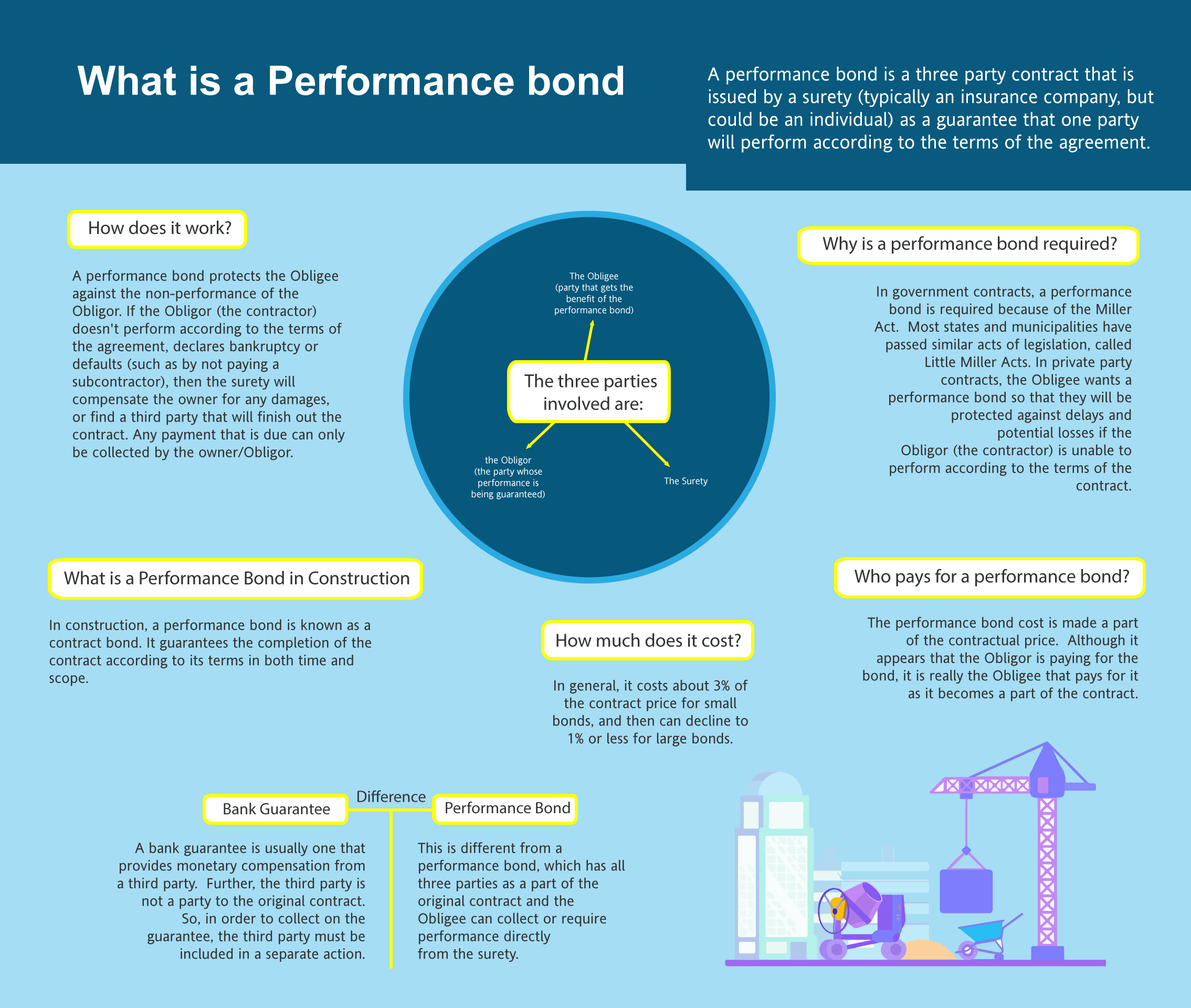
A surety bond is essentially a three-party agreement that guarantees the obligation between one party (the principal), another party (the obligee), and the surety company. In simple terms, when you purchase a surety bond, you’re ensuring that you’ll fulfill your contractual obligations. If you fail to do so, the surety company will step in to compensate the obligee.
Why Are Surety Bonds Important?
Surety bonds serve multiple purposes in various industries:
- Financial Security: They provide financial protection for project owners. Compliance: Many states and municipalities require certain types of projects to have bonds. Credibility: Having a surety bond enhances your reputation as a reliable contractor.
In essence, purchasing a surety bond can be pivotal in securing contracts and ensuring smooth project execution.
Purchasing Surety Bonds Made Easy: A Step-by-Step Approach
Step 1: Understanding Your Needs
Before diving into the purchasing process, it's essential to assess what type of bond you need. The most common types include:
- Contractor License Bonds: Required for contractors to obtain their license. Performance Bonds: Guarantee that the contractor will complete the project as per contract specifications. Payment Bonds: Ensure that subcontractors and suppliers are paid for their work.
By identifying your specific needs, you can streamline your search and avoid unnecessary complications.
Step 2: Researching Bonding Companies
Next, you'll want to research different bonding companies. Not all companies offer the same terms or expertise; hence it’s critical to shop around. Factors to consider include:
- Reputation: Look for reviews and testimonials from previous clients. Rates & Terms: Compare premiums across multiple companies. Customer Service: Assess how responsive and helpful they are during inquiries.
Finding a reputable bonding company can save you time and money down the line.
Step 3: Collecting Required Documentation
Once you've selected potential bonding companies, prepare your documentation. Common documents needed may include:
| Document Type | Description | |-----------------------|--------------------------------------------------------------| | Business Financials | Balance sheets, profit/loss statements | | Work History | List of completed projects | | Personal Financial Information | Credit score, personal assets | | Business License | Proof of legal operation within your state |
Having these documents ready can expedite your application process significantly.
Step 4: Completing Your Application
The next step involves filling out an application form with your chosen bonding company. This typically includes information about your business structure, financial stability, and past performance on contracts. Be thorough but concise—provide only accurate information to avoid delays or denials in your bond application.
Step 5: Undergoing an Underwriting Process
After submitting your application, expect an underwriting process where the bonding company assesses your eligibility based on risk factors such as credit history and business performance. Don’t be alarmed if they ask for additional information; this is standard practice.
Step 6: Reviewing Bond Quotes
Upon completion of underwriting, you’ll receive quotes from different bonding companies. Take time to compare these quotes not solely based on price but also on terms and conditions that come with each bond offer.
Step 7: Finalizing Your Purchase
Once you've decided which quote best fits your needs, it’s time to finalize the purchase. Review all documents carefully before signing anything! Make sure all terms are clear and acceptable before proceeding with payment for the premium.
Step 8: Maintaining Your Bond
After acquiring your bond, keep track of its expiration date as well as any renewal requirements. Many bonds need renewal every year or upon project completion; being proactive in this regard will ensure uninterrupted coverage.
Frequently Asked Questions (FAQs)
1. What is the cost of purchasing a surety bond?
The cost varies depending on several factors including type of bond, amount needed, and credit history. Generally speaking, premiums range from 1% to 15% of the total bond amount.
2. Can I get bonded with bad credit?
Yes! While having good credit can lower costs and improve terms, many bonding companies specialize in providing bonds even if you have less-than-stellar credit ratings.
3. How long does it take to secure a surety bond?
The timeline varies; however, many applicants receive their bonds within 24 hours if all required documentation is provided promptly.
4. Are there different types of surety bonds?
Absolutely! Aside from contractor bonds like performance or payment bonds mentioned earlier, there are also fiduciary bonds for executors/trustees and license/permit bonds required by municipalities.
5. What happens if I default on my obligations?
If you fail to meet contractual obligations leading up to claims against your bond—don’t panic—the surety company will investigate before compensating affected parties but could seek reimbursement from you afterward.
6. Is it necessary for contractors working in every state?
While not universally required across all states or contracts—a significant number do stipulate obtaining certain kinds of sureties before commencing work—especially public projects!
Conclusion
Purchasing Surety Bonds Made Easy: A Step-by-Step Approach serves as an essential guide through what can often feel like an overwhelming process for many contractors or business owners alike! By breaking down each step—from identifying needs through maintaining coverage—you’ll find yourself better equipped than ever before when approaching this vital aspect of project management!
Understanding these processes not only saves time but also protects both financial interests while fostering trust among clients! So whether you're just starting out or looking at renewing existing arrangements—follow this roadmap towards successful acquisition today!