Introduction
In the bustling world of construction and contracting, the phrase "licensed, bonded, insured" is more than just a checklist; it’s a lifeline. Homeowners and business proprietors alike often place their trust in contractors to deliver quality work while safeguarding their interests. However, what happens when this trust is misplaced due to improper insurance? In this comprehensive article, we will dive deep into the repercussions of hiring an inadequately insured contractor, unraveling the complex layers that surround this crucial topic.
What Happens When a Contractor is Not Properly Insured?
When you hire a contractor, you expect them to be fully equipped to handle any unforeseen events or accidents that may occur during the course of the project. If they are not properly insured, the consequences can be dire—not just for the contractor but also for you as the client.
Understanding Contractor Insurance
Before delving deeper into what happens when contractors lack proper insurance, it’s vital to understand what contractor insurance entails. Generally speaking, contractor insurance includes:
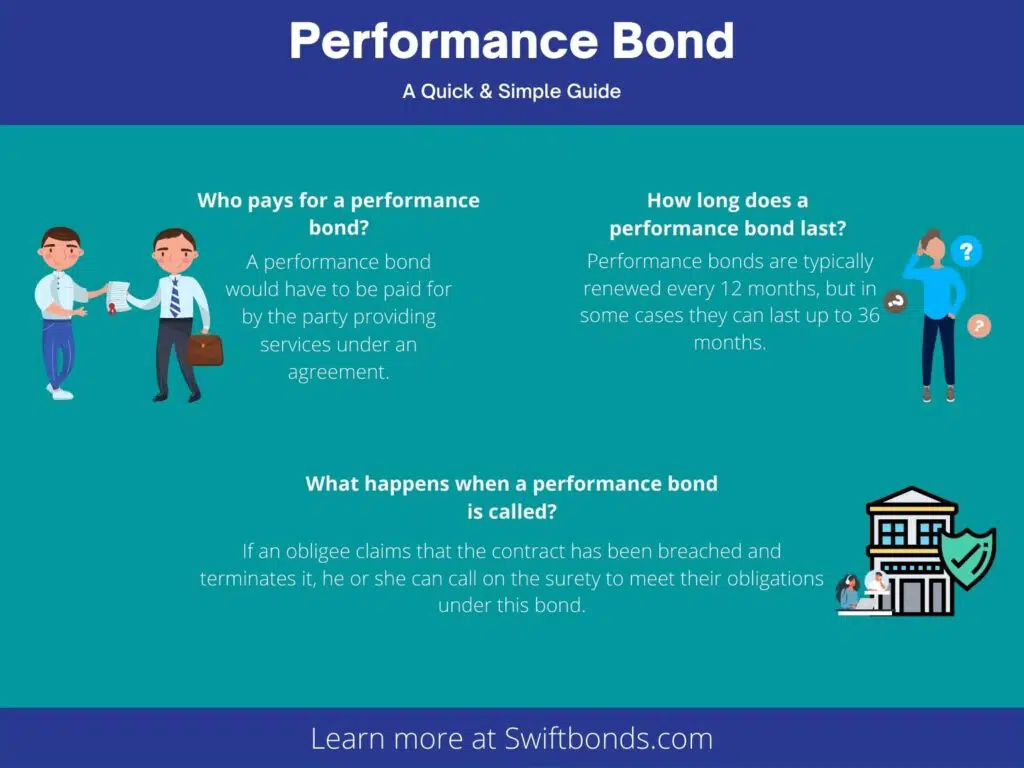
- General Liability Insurance: Protects against claims of bodily injury or property damage. Workers' Compensation Insurance: Covers medical expenses and lost wages for employees injured on the job. Professional Liability Insurance: Offers protection against claims stemming from negligence or failure to deliver professional services.
Without these coverages, both contractors and clients face significant risks.
Financial Risks for Clients
One major consequence of hiring an inadequately insured contractor is financial exposure. Imagine that an accident occurs on your property—perhaps a worker slips and falls or causes damage to your home. Without liability coverage, you could be left footing the bill for medical expenses or repairs.
A Case Study in Financial Fallout
Let's imagine you hired a contractor without proper insurance who accidentally damaged your kitchen cabinets while installing new countertops. The cost to repair those cabinets might run into thousands of dollars. If your contractor doesn't have general liability coverage, you'll have no recourse but to pay out-of-pocket.
Legal Consequences
The absence of proper insurance does not only leave you financially vulnerable but can also lead to legal entanglements.
Potential Lawsuits
If someone gets injured on your property due to negligence by an uninsured contractor, you could face lawsuits not only from the injured party construction performance bonds but also from state regulatory bodies. This scenario can escalate quickly and create a ripple effect of legal troubles.
Impact on Project Timelines
Another often overlooked consequence is delayed project timelines. Uninsured contractors may lack resources or financial backing to complete projects efficiently.
Project Delays Explained
Consider this: if your uninsured contractor faces an unexpected incident that sidelines them—be it injury or financial issues—you may find your project stalled indefinitely. The implications extend beyond mere inconvenience; they can disrupt plans and incur additional costs.
Why Hire Licensed and Insured Contractors?
To mitigate risks effectively, always opt for licensed and insured contractors. But why is this so critical?
Peace of Mind
Knowing that a contractor is licensed and insured allows homeowners to rest easy during renovations or new builds. It means that professionals are accountable for their work.
Quality Assurance
Licensed contractors are typically subject to regulations ensuring they meet industry standards. This oversight often translates into higher quality work compared with unlicensed individuals who might cut corners.
Financial Protection
Having an insured contractor shields clients from potential financial burdens in case anything goes awry during the project.
Common Myths About Contractor Insurance
Despite its importance, numerous myths about contractor insurance persist in public discourse:
Myth 1: All Contractors Are Insured
It's crucial not to make assumptions about insurance status based solely on reputation or word-of-mouth recommendations. Always verify credentials yourself!
Myth 2: Homeowners' Insurance Covers Everything
While homeowner's insurance may provide some coverage in certain circumstances, it often doesn’t cover claims related directly to uninsured contractors’ negligence.
How Can You Verify a Contractor’s Insurance Status?
Navigating through claims about whether a contractor is licensed, bonded, and insured can be overwhelming. Here’s how you can do it effectively:
Request Documentation: Ask for proof of insurance directly from the contractor. Contact Their Insurance Provider: Verify coverage details with their insurer. Check Licensing Boards: Each state has licensing boards where you can check if contractors hold valid licenses. Review Online Reviews: Look at customer feedback regarding their experiences with specific contractors. Consult State Regulations: Familiarize yourself with local laws regarding contractor requirements.What Types of Projects Require Proper Insurance?
Not all projects carry equal risk; however, most substantial renovations demand rigorous insurance protocols:
Residential vs Commercial Projects
- Residential projects include home renovations like kitchen remodels or roofing replacements. Commercial projects might involve large-scale constructions like office buildings or retail spaces.
Both arenas require comprehensive coverage due to varying degrees of risk involved.
FAQs About Contractor Insurance
1. What Should I Do if My Contractor Is Uninsured?
To safeguard yourself legally and financially, consider terminating the contract immediately and seek another licensed bonded insured professional instead.
2. How Can I Protect Myself When Hiring Contractors?
Always verify licenses and insurances before starting any engagement with contractors to mitigate potential risks effectively.
3. Is Workers’ Compensation Required by Law?
Yes! Most states mandate workers’ compensation for employers with employees working on-site; failure to comply can result in hefty fines!
4. Are Subcontractors Covered Under My Main Contractor’s Insurance?
Typically yes; however, it's wise always to clarify coverage details upfront before commencing any project involving subcontractors.
5. What Happens if My Contractor Claims They Have Coverage But Doesn’t?
You might need legal counsel if disputes arise surrounding unfulfilled contracts regarding coverage claims made by your contractor without proper backing.
6. Can I Sue an Uninsured Contractor?
Suing someone without funds makes little sense practically—legal fees may outweigh any potential recovery unless you're equipped with strong evidence demonstrating clear negligence on their part!
Conclusion
Navigating through construction projects requires vigilance—especially when dealing with contractors' insurance status! The risks associated with hiring an improperly insured individual are far-reaching—from financial liabilities arising out of accidents occurring on-site all way through legal entanglements stemming from negligence claims against them directly impacting timelines negatively disrupting lives around us too!
Opting for licensed bonded insured professionals offers peace of mind while ensuring quality workmanship throughout every step taken towards realizing dreams built brick-by-brick! Don't leave yourself vulnerable; always prioritize verifying credentials before making any agreements moving forward!